



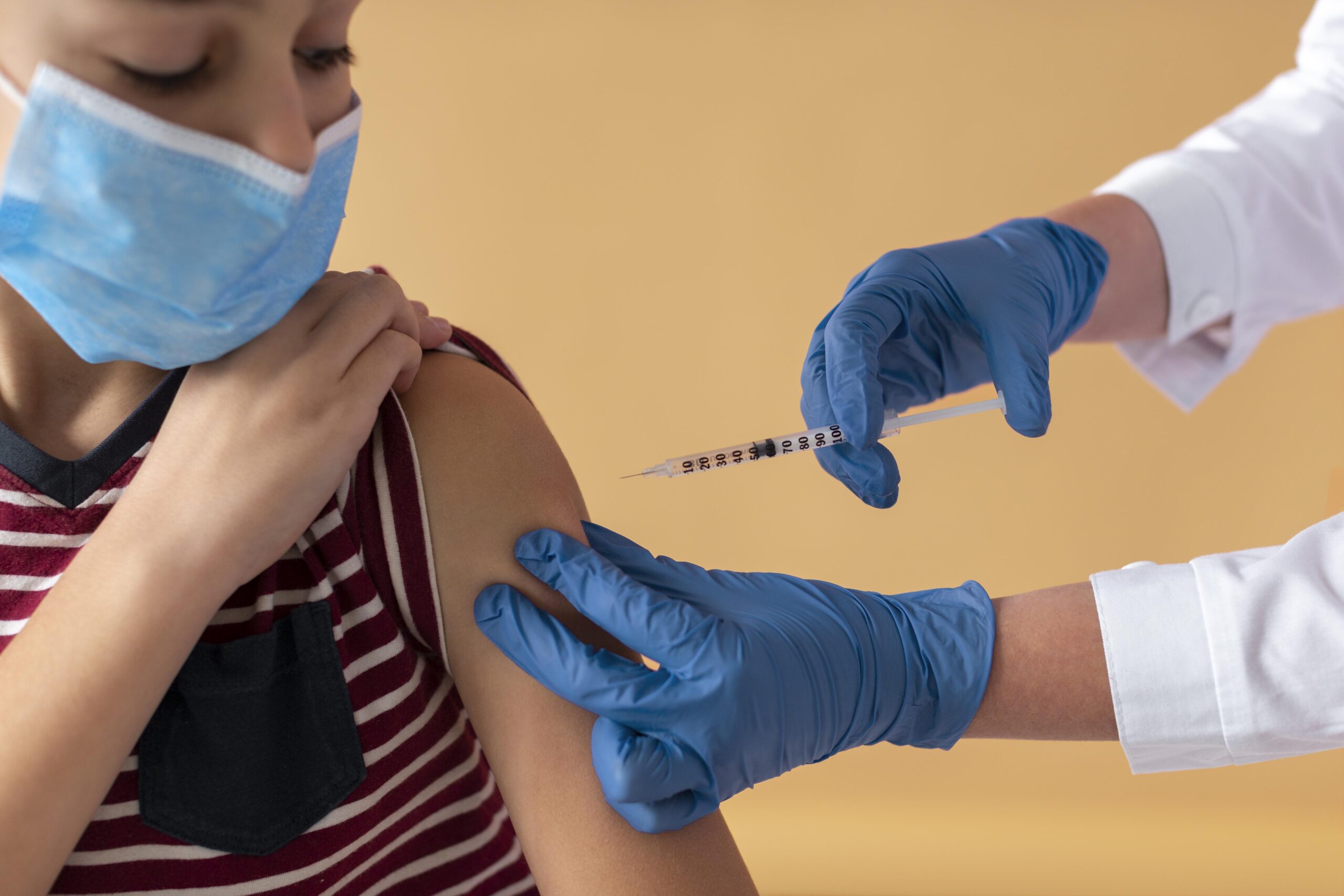
Vaccination is one of the first healthcare routines that was introduced to us, and even after several years of living, it is the only one that contributes most to keeping us safe from infection and disease. Whether it is about the child, or about ourselves, we are conscious about what to choose, afterall, due to multiple option availability, cost differences, and accessibility, it is overwhelming what to choose.
Don’t worry, we have done the work for you so that you don’t have to. This comprehensive article will help you know the key differences between government and private vaccines, and what you should know before choosing one.
What is Government Vaccination?
India’s main public vaccination was initiated in1985 called UIP, and now it comes under the National Health Mission. Under the Universal Immunisation Programme (UIP), they provide 100% funded program by the central government, and it covers free immunisation for TB, diphtheria, pertussis, poliomyelitis, hepatitis B, tetanus, rotavirus, Haemophilus influenzae type B, pneumococcal disease, and Japanese encephalitis.
These are free of cost, provided under public health mandate, offer universal coverage, and are also standardised, which aligns with national disease prevention goals.
What are Private Vaccines?
Just like the government, regulations governing private vaccines in India include the Indian Academy of Paediatrics immunisation schedule. The only difference is that it covers more listed vaccinations than the public sector.
Apart from the benefits similar to those of the government vaccines, these are not free of charge. But, private covers more ground in terms of disease, such as chickenpox, HPV, influenza, Measles, Mumps, and Rubella, hepatitis A, and acellular pertussis version (DTaP).
But Why Is Vaccination Necessary?
Choosing government or private vaccination is completely your choice, but it is important to understand why one goes for this. Timely vaccination helped cut the global infant mortality rate by 40% and become the powerful driver to increase the child survival rate, as per UNICEF. Also, based on the WHO report, India made great improvements in controlling tuberculosis and decreasing the rate by 17.7%.
So, if a simple shot of vaccine protects you and your children from life-threatening disease, then why not choose to have it? Almost 95% of people get their necessary vaccines, and 5% are yet to do so. That is why Cradle Children’s Hospital is spreading awareness to people so that they can understand the importance of vaccines. COVID is one of the biggest reasons why vaccines are important.
Key Differences Between Private and Government Vaccines
Cost of Vaccine
We all know that a private vaccine requires you to pay out of your pocket, because sometimes it includes newly introduced vaccines, formulated with a higher production cost, and many more. They also offer more vaccines than government programmes, covering solutions to more infections and diseases. Also, counselling, consultation, and rest in the hospital (if necessary) are included in this.
While government vaccines are free of charge, they come under a specific programme. The choice is up to you, but after consulting with an expert.
Accessibility and Convenience
Government programmes are available with high coverage in rural and urban areas, making them accessible to a large population through health centres. While in private, you have to make an appointment first, and after personalised counselling, doctors recommend the specific vaccination, allowing families more flexibility and individual attention.
Vaccine Schedule: Key Differences
UIP follows the national schedule designed to protect children and pregnant women from life-threatening diseases, and it focuses on large-scale prevention and public health impact. IAP is commonly used in private practise, and covers government-provided vaccines and additional options for broader protection.
But the main question is, can one combine both types of vaccine?
First of all, never combine the same vaccine from the government and private sector. But yes, you can take the core vaccine from the government immunisation programme (UIP) and take the additional option from private hospitals. Both are system-approved and safe to take. But it is always advised to take full precautions and contact a doctor before taking any vaccine.
That means;
The government vaccine offers protection from essential issues.
Private vaccines provide additional protection from diseases that some might not know.
Note: Both are effective in their own ways.
Now, Are Government and Private Vaccines Equally Safe?
Yes, they are equally safe, providing the same value, as both of them are manufactured with the same high standards. Both are licensed and regulated by the same organisation, called the Central Drugs and Standard Control Organisation (CDSCO), under the supervision of the Drug Controller General of India.
If you are thinking about the credibility and effectiveness, in 2025, the government vaccine will continue to be dominant, covering 90% of basic and essential immunisation for children and pregnant women. Also, in India, the vaccine hesitancy rate is 33%, because they are either confused about what to choose, or they carry numerous myths and misconceptions.
Why Does This Comparison Matter?
There is a growing confusion between public and private vaccines, and parents are confused which one prefer for their children. The effectiveness of the vaccine totally depends on the antigen and schedule, not where it is given.
Yes, it has seen that, after government vaccination, some caught a fever, but that is because the body is trying to adapt to the changes and the immune system actively responds to that. While in private, they started to add new formulations that reduce minor side effects.
Just because you are paying for that doesn’t mean it is better. Because the aim of both sectors is to ensure the health of their people, reputable organisations are behind them to ensure that goal.
Vaccines saves lives of millions, but vaccine hesitancy and misinformation continue to threaten health progress.
The Bitter Truth!
The major reason why people still think that private vaccines are better than government ones is the quality of service. Patient care, facilities, and personalised care provided by the private hospitals attract people more. One thing that everyone needs to understand who are planning to vaccinate their child or pregnant women, both sectors aim to provide safety through vaccines, as the quality provided by them is higher.
It is important to understand that both share the same goal, ensuring safety and protection through high-quality approved vaccines. Government vaccines provide immunisation against major life-threatenting disease, forming the backbone of public health initiatives without compromising safety.
Private vaccination offers the same essential protection, but with the addition of covering more areas that are still being evaluated for inclusion in national programmes. And they allows family to choose expanded protection with safety.
Conclusion
First of all, it is necessary to understand that safety is not compromised in either system. The key difference is that private expand protection from several diseases. Government programs offer essential vaccine options, even for free of charge or at a low cost, while the private sector provides more options and conveniences for those who are willing to pay. Both play an equal role in contributing to ensuring the health of the public and comprehensive immunisation coverage.
The best approach to consult with an expert. Through communication and health concerns, they can guide you to determine the best approach for your family’s needs. Cradle Children Hospital experts understand what is best for people, and they ensure that everyone gets health coverage through the right vaccine, as they ensure to remain accessible while maintaining a high standard of care.
Don’t wait. Contact us today!
FAQ’s
Government or Private vaccine, which causes fewer side effects?
Both government and private vaccines are safe and ensure to offer a high-quality standard, as both follow manufacturing standards and have gone through several clinical trials.
Are government vaccines inferior?
No, they are not, and this is one of the biggest myths that is roaming around among people. It totally depends on which vaccines you choose, as both provide safety from infection and diseases.
Taking additional vaccines is risky?
Don’t combine both types, and consult with your doctor before choosing any.
Can the vaccine be delayed?
Under medical circumstances, you are advised to do so, but make sure to take your vaccines on time.
Whom to consult related to vaccinations?
At Cradle Children’s Hospital, professionals can help you to know which is better for you and your child.
Is a vaccine required if someone has suffered from the same disease in the past?
Yes, it is much needed because it can protect from full-blown infection and illness.