




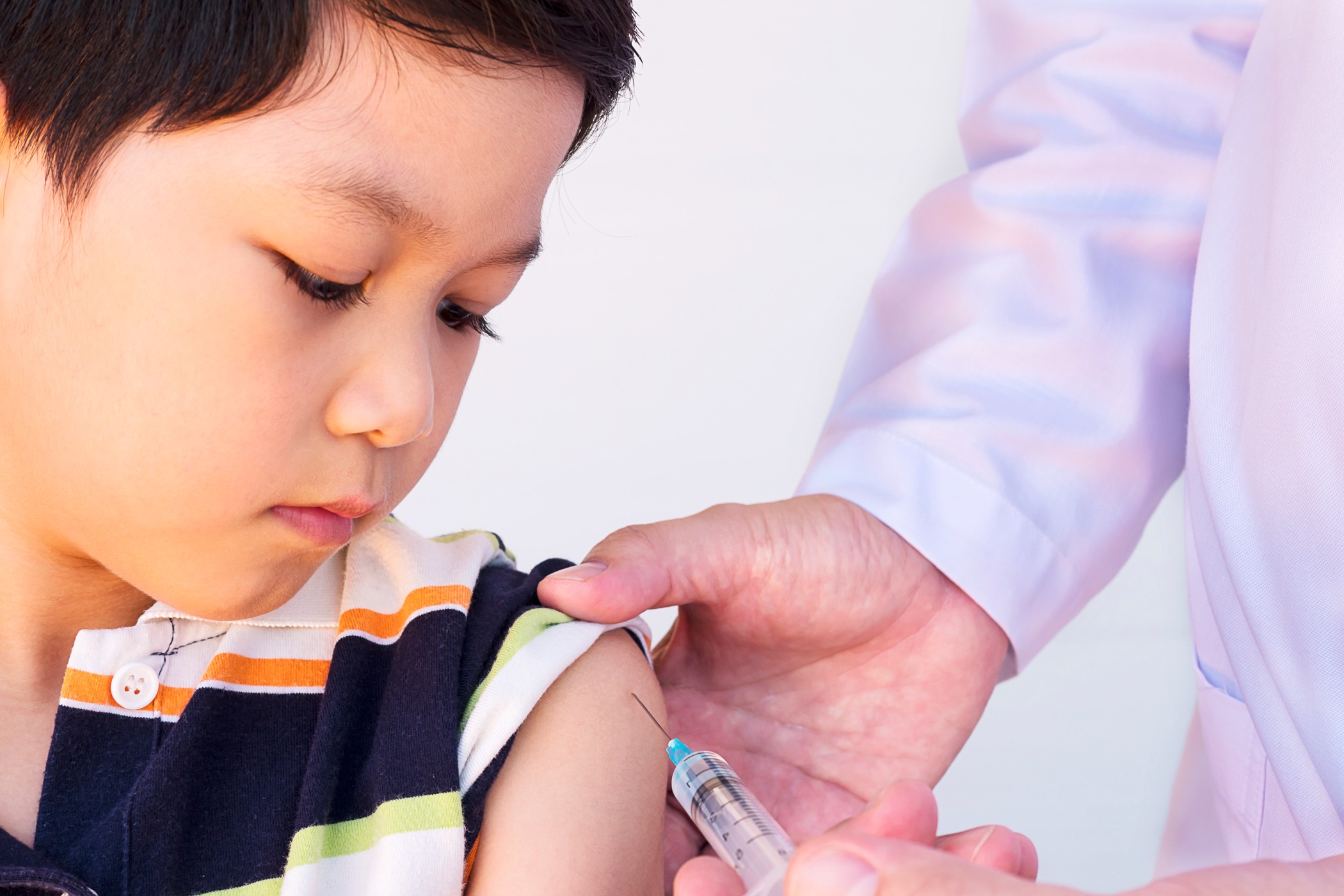
As per the NHS, “Vaccines are the most effective way to prevent many infectious diseases”. So avoiding is not a choice because your baby has to bear the pain.
It doesn’t matter whether you are a parent of one or 2 kids, when your baby cries after a vaccination, that helpless, overwhelming feeling hits the same way every single time. Your mind narrows to every single thought. How to keep them comfortable? What can I do to ease their pain? This instinct is universal, and we have yet to find the correct solution.
But we all know how important vaccination is for your child. According to Cradle Children’s Hospital, immunisation is more important than you think, so don’t let your fear come between. Because, along with the proven protection against disease, there are confirmed ways to soothe your baby’s vaccination pain, and these are paediatricians’ recommended tips.
So, let’s jump in and learn how to reduce pain after a baby vaccination.
Is vaccination pain concerning?
No, vaccination pain is completely normal, and it varies from body to body, because it depends on the age, sensitivity to needles, and site. Vaccination pain usually lasts up to 12 to 24 hours.
Once the vaccine is injected, it triggers the body’s natural defence mechanism and alerts the body to fight against the specific pathogen or foreign bacteria. Immunization shots mimic the exact role of the actual diseases and infection, so that, if once get in contact with similar pathogens, then their body is prepared to fight and protect from being impacted.
Pediatrician Tips To Reduce Vaccination Pain
What to give?
-
Cream, gel, or patch
These are known as topical anesthetic options like creams, gels, or even patches. They are induced with numbing properties that aid in reducing the pain at the injection sites. These are completely safe for children, and even pediatricians recommend this. You can consult with the pediatrician about the place where the injection will be done, so that, 30 or 60 minutes before the shot, you can use any of these options. Also, sometimes, the areas where you use these products might look pale white or red, and this is completely normal, and it will go away.
But, if your child is allergic to the product or their skin is super sensitive, then it is best to talk to a doctor before applying the cream or patch.
-
A little sugar can help
This might come as a shock to you, but yes, sugar actually helps.
Sugar water is a combination of glucose and sucrose, which acts as an analgesic. It releases endorphins through sweet taste receptors, as these are natural pain relievers. This works as a distraction and gives a tactile sensation, which reduces their focus on the needle. If your child is one year old or less, then this method works effectively, but for older children it does not work as effectively, because their sensory has build.
What can you do?
-
Breastfeeding
If your child is still breastfeeding, then it is a good way to promote water intake, which is considered a good practice. Additional liquid helps to restore the body’s natural function and keep it protected from dehydration. Also, similar to sugar, it promotes natural pain relief, like endorphins. Fluid is the best way to prevent dehydration, which is usually caused by fever, and it also ensures the immune system responds and manages post-vaccine fatigue.
-
Keep them close to you
If you are about to visit the hospital for a shot, then make sure you keep your child close to you. As a parent, you are their comfort zone, and it keeps their heartbeat controlled and gives them a sense of calmness. Also, you can help them avoid moving aggressively and comfort them together, per the CDC.
-
Use a damp towel
We all know how effective this is, and usually recommended by pediatritians after vaccination. It soothes swelling, soreness, and redness. But putting a cold, damp cloth on it started to numb that area, and reduced the inflammation, providing relief from discomfort.
How can you act?
-
Distract your baby
First things first, don’t let them look at the needle. Use toys, your hand gestures, your facial expression, or even singing a song to distract them. And if you have already used that method in their previous immunization schedule, then use a different method to distract them. You can carry their favourite toy.
-
Comfort your baby
Parents’ closeness and their voice are the first things that children hear, and this becomes their comfort zone. How to talk to them, your tone, your expression, everything matters to them. So, rather than acting panicked, you should talk to your baby in a soothing tone, but in a playful manner. It will help to distract them from the needle.
Difference between mild soreness and prolonged discomfort
Mild soreness:
- Mild soreness is common in most of the cases, and it is a normal immune system response.
- This pain usually lasts up to 2 or 3 days, along with mild fever.
- Tiredness and fatigue are common signs.
- The injected site looks a little reddish, along with a small bump.
Prolonged discomfort
- First of all, this is a concerning point, and if your child shows any signs mentioned below, then make sure to take them to a pediatrician.
- It usually lasts up to 3 to 4 days.
- Your child might have a high-grade fever (102 degrees F or higher).
- Redness spread across the large area of the injected site.
- Rashes started to appear in different parts of the body.
- Inconsolable crying, and it can also make them lethargic.
- Pus in the injected site.
Prolonged discomfort is a clear sign that this is more than just a usual symptom. Some children are sensitive to some drugs, and after vaccination, their bodies start to react due to that agent. That is why it is recommended to consult with your pediatrician, so that they can help you find the best possible solution, or the type of vaccine that needs to be avoided to protect your child from severe allergy. It is usually done after thorough analysis and tests.
Conclusion
Seeing your child in pain is overwhelming, but this is mandatory for them. Because their body can easily tackle these minor symptoms, but protection from life-threatening diseases requires an immunization shot, as it can put some drastic impact on their health or life. Nevertheless, with simple pediatrics tips, you can easily manage their pain, not completely, but to some extent. Comforting them, using numbing gel or cream, cold compression, or ensuring fluid intake are some of the recommended tips.
According to Cradle Children’s Hospital, with the right care, you can keep them calm. But if you are about to visit the hospital for your child’s immunization shot, then it is advised to talk to a pediatrician. An expert can help to prepare your child for a shot or can guide you about the possibilities.
If you have any questions, contact us today!
FAQ’s
What to do if my child has a fever after vaccination?
This is a normal symptom, but make sure to keep them hydrated. After a pediatric recommendation, you can give them paracetamol, as this helps to reduce the temperature.
Is there an option other than injection?
Yes, painless vaccination is also an option, such as medication, a needle-free device, or compressed air. And they are effective as other, but it is always best to talk to a doctor before deciding anything.
What can I do immediately after the shot?
Make sure to hold your baby and comfort them. You can also breastfeed them, or give them their favourite food. To make sure, do not allow them to eat spicy or oily food just after vaccination.
What should I avoid after the shot?
Don’t massage, apply oil, home remedies, hot damp towel, or frequently touch. It will worsen the situation. So, let it heal itself, and the pain will go away after 1 or 2 days.