


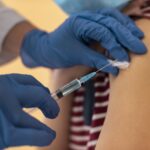
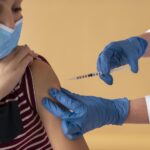


As a parent, you already know how important it is for your child to follow the vaccine schedule. But despite knowing the importance, many parents think about delaying it because their child is sick or have cold. But is it really that necessary?
Long answer short: Yes, in most cases.
It is completely dependent on the health of the baby, because in some situations, delaying is the only solution, but in some it is not. And delaying the vaccination schedule most of the time is not the solution. If a pediatrician recommended it, then it become necessity.
So, let’s dive into this article and find out whether vaccines can be given during a cold or mild fever in children.
What Happens When a Child Is Sick?
When a child is sick, their immune system is working harder than it should be. Additionally, when a vaccine is injected, the immune system becomes more hyperactive as the foreign agent enters the body, continuously fighting it to protect the body against it. This can make a child sicker and raise symptoms like fever and tiredness.
Parents need not worry when
- Have a runny nose
- Law-grade fever
- Minor throat irritation and mild cough
- Slight cold
These are some common illness which does not impact the process of the vaccine, and also not your child.
When Should Children Not Be Vaccinated?
Cancer, AIDS, leukemia, lymphoma, and kids with immune system issues should not receive any live vaccines. Live vaccines contain a weakened form of the bacteria or virus, and children with cancer already have a weak immune system. But inactive vaccines can be given as scheduled, but under the guidance of an expert.
If a child have low platelet count or other blood-related issues, they are considered under special cases, which require more precaution. This issue can cause bleeding on the injected side and can worsen the situation by dropping platelets. As per the situation and treatment, sometimes doctors delay the vaccination schedule.
NOTE: Sometimes children are impacted by Adverse Event Following Immunization (AEFI), an unexpected medical condition. But it doesn’t need to be caused by the vaccine itself. Most of the time, other issues are connected with that; in rarest of rare cases, these issues occurred because of vaccination.
Common Misconceptions About Vaccination and a Child’s Cold
Myth 1: It is unsafe to vaccinate your child if they have a cold.
Fact: It is perfectly fine to vaccinate your child, because their immune system is capable of handling mild illness and vaccines together.
Myth 2: The vaccine won’t work if your child is already sick.
Fact: Mild illness does not impact the ability of the vaccine to work. As long as the illness is not severe.
Myth 3: You can delay the vaccine until the child is healthy again.
Fact: Until the doctor recommends it, there is no need to delay the immunisation schedule.
Myth 4: The vaccine might overload the baby’s immune system.
Fact: Your baby’s immune system can handle the dose of vaccine. So, need to worry about that.
What To Expect After Vaccination?
As the vaccine mimics the characteristics of the germs and bacteria, your child may show some common signs of side effects, but remember, there is nothing to worry about. The signs you can expect-
- Mild discomfort
- Fussiness is increased
- Might have a little swelling on the injected site
- Have a mild fever
If you notice these things, make sure to keep them hydrated, let them rest, and monitor whether their symptoms are improving or getting worse. If you notice anything unusual, then take them to Cradle Children’s Hospital, as they offer the best care when it comes to children.
Conclusion
If the child is sick, and their immunisation schedule is near, most of the parents panic. First of all, their body can tackle mild symptoms and vaccine response. And remember, vaccines are designed to protect them, not to harm their immune system. Cradle Children’s Hospital’s paediatricians always mention to parents that, if your child has a cold or fever, never skip their vaccine schedule. It will make them more vulnerable to unknown germs and bacteria. It is always better to talk to an expert before deciding anything for your child.
“Vaccination is a simple, safe, and effective way of protecting children against harmful disease, working with the body’s natural defences to build protection.- WHO”
Moreover, if you are still confused and unable to decide what is best for your child, take it to an expert at Cradle Children’s Hospital.
Book your consultation today!
FAQ’s
How do I know whether the vaccine is safe for my baby?
Most of the vaccines have been used for decades, and have been received by many with utmost safety. Having mild side effects is normal because it is a way the body reacts to unknown agents.
Does cold reduce the effectiveness of the vaccines?
Absolutely not. The body can handle a number of germs at the same time, and it can also handle mild infections and vaccine responses. So, don’t think of avoiding getting your child vaccinated due to mild illness.
What is a child who already has a fever? Will vaccination make it worse?
If your child’s fever is mild, then vaccination does not significantly worsen it.
Does vaccination still work if my child is taking antibiotics?
Yes, they can still receive vaccination, as antibiotics do not interfere with the natural process of vaccines.
Why is it crucial to stick to the immunisation schedule?
Dealing with or postponing vaccination increases the risk of getting impacted by the diseases, and it will make your child vulnerable to germs and bacteria.