




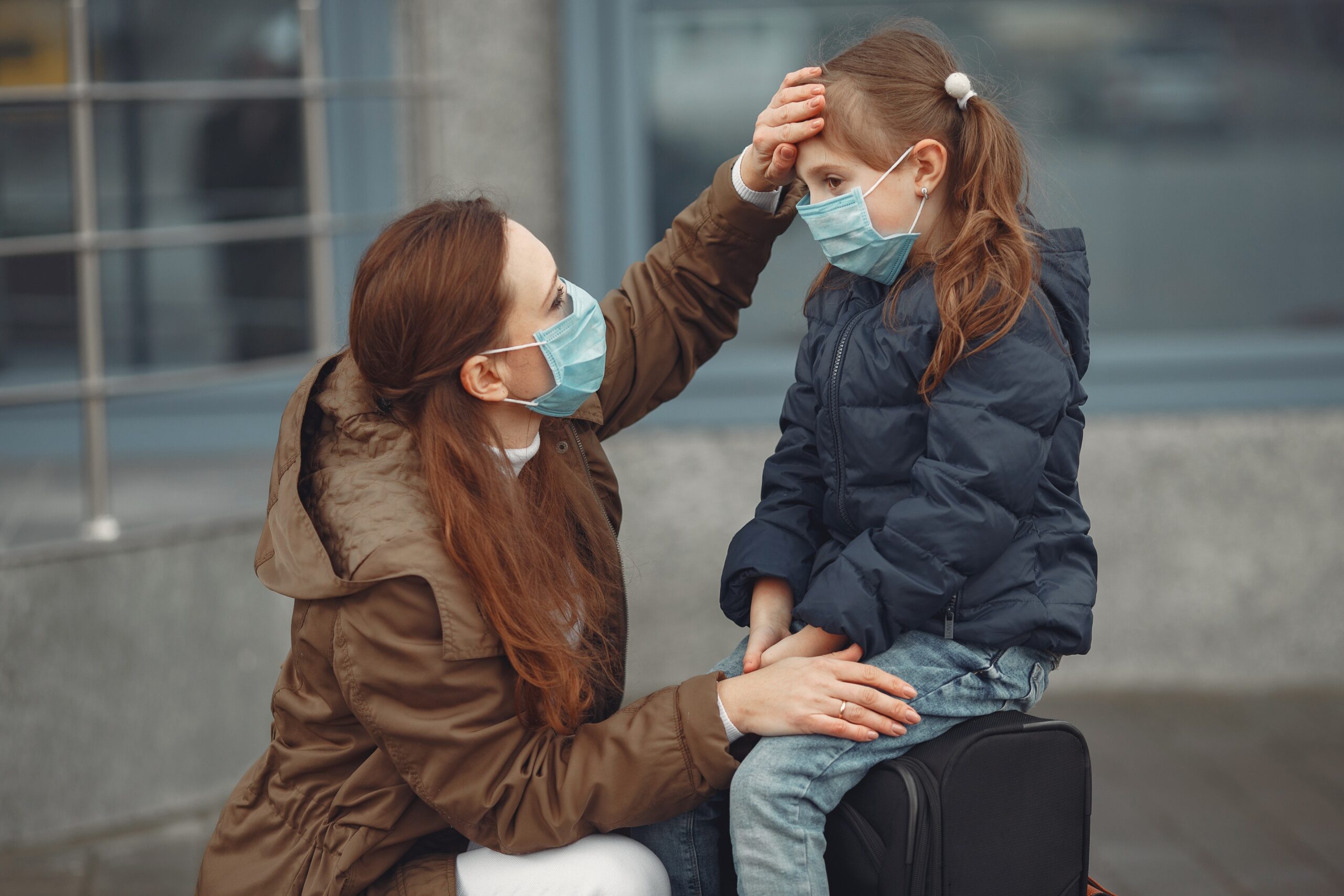
Monsoon is a season that shifts from dry weather to playful days. But it also comes with a pattern of illness, germs, and infections, especially in children. This season is a favourite time for diseases to show, so parents should stop their children from going out and playing too much.
We know children are more vulnerable than adults, but children with disabilities are 3.6 times more vulnerable. Also, children under 3 years are passing their critical growth phase, and this makes them more fragile and sensitive.
Common Monsoon Diseases
Filled waterpots, uncovered containers, tyres, contaminated drinking water, and construction sites cause waterlogging, and this creates a breeding ground for mosquitoes, which increases the risk of waterborne infection. That is why it is important to understand the common threats that can make your child ill.
1. Dengue fever
Dengue in children is common because their immune system of children is still developing, and they often spend more time outdoors, which makes them more prone to getting bitten by the Aedes aegypti mosquito, also called the yellow fever mosquito. It is also known as breakbone fever because joints and body parts ache in this situation, along with pain behind the eyes. When the platelet count starts to drop, it indicates that the illness has progressed, and you should not delay the treatment.
Signs to watch for:
- Sudden high fever and intense aches, such as pain in the eyes
- Digestive issues like loss of appetite, nausea, and vomiting
- Rashes followed by red spots on body parts
- Severe abdominal pain, bleeding nose or gums, extreme fatigue, and difficulty breathing are red flags.
- Malaria
2. Diarrhoea and gastroenteritis
Due to clogged water and humid weather, pathogens like Salmonella and E.coli are spread. Also, the monsoon is an ideal environment for viruses, bacteria, and fungi to multiply swiftly on exposed or stale food. Monsoon is a season that increases the eagerness to eat street food, and these are highly susceptible to airborne germs; we don’t even know whether they use fresh items or not, or whether their water is contaminated. These types of food trigger food poisoning.
Signs to watch for:
- Loose and watery stool
- Nausea and vomiting last up to 1 or 2 days
- Loss of appetite
- Fatigue, headaches, and fever
- Dehydration signs like dizziness, dark coloured urine, dry mouth, or excessive thirst
3. Typhoid
This happens when bacteria called Salmonella typhi thrive, and it mainly happens in moist, unsanitary conditions, making the monsoon the best season for it. Contaminated water, increased breeding of flies, and food spoilage are major causes of typhoid. This spreads via the faecal-oral route (through what you drink and eat); that’s why doctors suggest taking proper precautions related to hygiene, especially during monsoon season.
Signs to watch for:
- Body temperature increases as the day passes
- Extremely tired and weak
- Abdominal discomfort and dull headaches
- Severe stomach pain and constipation
- If not treated on time, in severe cases, patients become delirious and highly agitated.
- Dry cough
4. Viral fever
This is seasonal influenza, and it happens because humidity allows the pathogens to thrive, which spreads the virus. Chikungunya, typhoid, malaria, and dengue are some of the causes of viral fever, and can be treated in the beginning stage, but if not treated properly, then they can cause challenges. Not only children, but also adults are impacted by this. The immune system fights bacteria, and this leads to fluctuations in bodily temperature, so that the body can create an inhospitable environment for the virus to grow.
- Signs to watch for:
- Increased body temperature
- Sore throat, and joint and muscle pain
- Runny nose and digestive problems.
5. Conjunctivitis
Also known as pink eye spike during the rainy season because humidity creates an ideal environment for viruses, allergens, and bacteria to grow. Contaminated water, humidity, or coming into contact with a person with conjunctivitis increases the risk of getting impacted. Mild symptoms usually resolve on their own, but if it spreads to the cornea, it can damage vision and can become a secondary infection like keratitis. Remember that it is contagious, so it is better to keep your child away from the person with pink eyes.
Signs to watch for:
- Itching, redness, watery discharge, and swollen eyelids
- Thick, sticky, yellow or green discharge from the eyelids
- Runny nose and low-grade fever
How can parents protect their kids?
There are simple yet effective ways to keep your child healthy and make their immune system strong enough to fight against infection, viruses, and bacteria. But make sure you don’t just follow these steps only in the monsoon, because your child needs better immunity throughout the year.
- The most important thing is a balanced diet, which includes papaya, oranges, guava, vegetables, and fruits, mainly those that are rich in vitamin C, because it boosts immunity.
- Especially in the monsoon season, make sure that your child drinks filtered or boiled water only. Even in that humid weather, they need hydration.
- Having enough sleep is a basic need of the body, and as your child is growing, they need proper rest to stay healthy.
- Make them indulge in physical activities like yoga, indoor exercises, and games, which make them active. Keep them away from the phone and TV.
- Vaccination is very important, and make sure that your child is vaccinated according to the immunization schedule. It will keep them protected from seasonal changes and illness. If you have somehow skipped the schedule, make sure to consult with the best paediatrician, such as Cradle Children Hospital.
- Hygiene practices like washing hands before meals, keeping their nails trimmed, bathing daily, changing clothes regularly, and cleaning their toys are mandatory.
- At home, make sure to clear flowerpots and buckets, use mosquito repellents and nets, clean your house properly, and make them wear full-sleeved clothes when outdoors.
Conclusion
Monsoon is a wonderful season to experience fun and nature, but along with that, it comes with safety concerns also due to increased humidity and temperatures, making an ideal environment for bacteria to grow. Our children encounter diseases like dengue, malaria, conjunctivitis, and typhoid, but with simple steps, you can protect your kid from getting affected. Maintaining hygiene, eating a clean diet, engaging in physical activities, and drinking filtered water are the safest steps that you can take.
Furthermore, if you are still confused, then you can approach Cradle Children Hospital, as they have one of the best pediatricians in Jaipur. Or you can book a consultation!