



“Every vaccine your baby receives is a letter to the future — a promise that the diseases of the past will not steal the joys of tomorrow.”
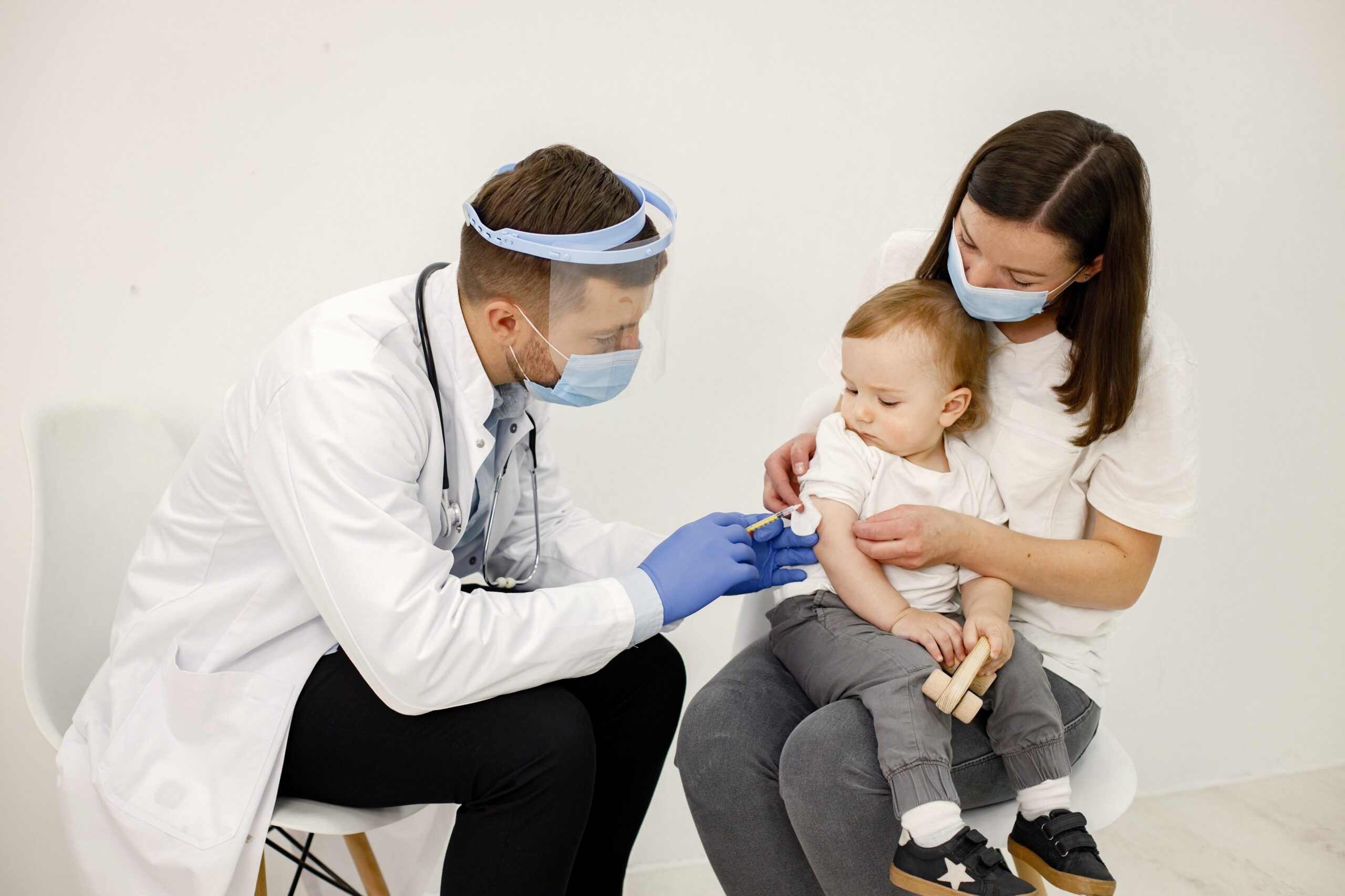
Every parent needs to know about their baby’s crucial 6-month vaccine schedule.
Your baby is 6-months now, and along with the celebration, it is also a time that is medically important for them to check the points which may protect your child’s health.
The immunisation schedule may vary depending on the condition of the child, but as per government guidelines, the time of month or weeks on which to vaccinate should be fixed. The core diseases target children at this very age. Here is a detailed outlook of common vaccinations administered during the 6-month visit.
Did you know?
Vaccination prevents almost 2 million deaths every year, globally. That’s why it is necessary to protect your child at the most vulnerable stage of their life, “according to the World Health Organisation.
Why is a 6-month vaccination crucial?
In the first 6 months, their brain undergoes rapid growth, develops the foundation of physical, cognitive, and emotional skills, and their movement starts to convert from reflex-based to action-based. As per the National Foundation for Infectious Diseases (NFID), “once the disease that used to be the reason behind health concern and death in thousands of children, has now been eradicated. But now new infections are emerging, which can cause health and development issues in children”.
It is necessary to talk to a pediatrician about things you and your baby do together, the milestones they have achieved, whether they have lost any skills, anything that concerns you about your baby, and any symptoms or reactions they have after vaccination. This 6-month vaccination milestone is very crucial because, down the line, natural immunity of the baby (which was passed by the mother) fades away, making them vulnerable.
A complete breakdown of a 6-month vaccine
-
Influenza Vaccine- 1st dose
It is not a regular cold vaccine. Influenza is a severe respiratory illness and can lead to complications like severe dehydration, pneumonia, or even hospitalisation. Infants, whose lungs or immune system are still developing, are at greater risk, as per the WHO.
-
Oral Polio Vaccine
Although the first dose of vaccine is given to the child at their birth, the other 2 are given at the 10th week and 14th week respectively. It protects your child from a contagious, incurable virus that causes permanent paralysis, disability, or even death.
Furthermore, you should always participate in the government-initiated polio campaigns for your child.
-
Typhoid conjugate vaccine (TCV)
As per the WHO, this is contagious and is passed through contaminated food and water. Stomach pain, fatigue, high fever, and other complications can be caused by this if left untreated. So, your first step should be to keep your children away from contaminated water or unhealthy food.
-
Hib (Haemophilus influenzae type B)
Hib virus is capable of causing meningitis (infection of the brain lining), throat infection and pneumonia, and babies under 5 are at higher risk of this bacterium. The third dose of this vaccine is given to a 6-month-old baby, so that they can build a primary immunisation, providing long-term robust protection.
-
Rotavirus
This is the leading cause of severe dehydration and diarrhoea in infants, and it is responsible for 200,000 deaths globally. This shows the severity of the infection, and that is why the vaccine is designed to train the immune system to fight against highly contagious rotavirus.
-
DTwP/DTaP (Diptheria, Tetanus and Pertussis)
As the name suggests, it protects the baby under 1 from severe whooping cough and tetanus infection. It helps to build immunity in children, and it is crucial, as in some of the cases, it can cause coughing spells, which make it harder for babies to even breathe. In short, it protects your baby from life-threatening diseases.
-
Hepatitis B
This is typically the third and final dose of the vaccine, and this is usually given between 6 and 18 months. The purpose of this vaccine is to provide protection to your child from liver diseases, which can lead to cirrhosis or liver cancer later in their life. Even if you missed your child’s vaccine, make sure to track their schedule with a catch-up vaccine. This should be administered by an expert like Cradle Children’s Hospital.
A complete Chart
| Vaccines | Dose and Route | Protection Against |
| DTwP/DTaP | 3rd and through injection | Diphtheria, tetanus and whooping cough |
| IPV/ OPV | 3rd, and can be given through injection or orally | Poliomyelitis |
| Hib | 3rd and through injection | Meningitis, Pneumonia (Hib) |
| Hepatitis B | 3rd and through injection | Hepatitis B Liver Disease |
| Rotavirus | 3rd and through injection | Rotavirus diarrhoea |
| Influenza | 3rd and given through oral drops | Seasonal Flu |
Note: Sometimes, pediatricians recommend that parents go for a combination of vaccines rather than giving separate injections. In-shot, it will reduce the number of pricks your baby needs to endure during every visit.
At 6-months, your doctor might recommend you go for pentavalent vaccines, which combine DTwP+Hepatitis B+Hib in a single shot. Before choosing this kind of procedure, it is better to talk to a pediatrician and understand which one is better for your child.
Side-effects post vaccine
As of now, you might be aware of the common side-effects which usually happen after every vaccine shot. These are just a response of your child’s immune system, as the vaccine is new to their body, which is why it is considered a threat, leading to some minor symptoms.
Normal Post-vaccine reactions
- Low-grade fever, which resolved within 2 to 3 days
- Pain and slight swelling around the injected site
- Due to pain, your baby might get irritated
- Their appetite is reduced from usual
Warning sign to watch out for
- High fever does not reduce even after medication
- Uncontrollable crying
- Seizures of convulsion
- Extreme swelling and pain
- Any allergic reaction, such as hives, rashes, pale skin or difficulty in breathing
- Your baby becomes unresponsive.
Seek medical attention if you notice any of the symptoms in your child.
Final thought
At this stage, your baby is half a year old, and vaccines are the most crucial gift that you can give to your baby. You are not just protecting them today, but building their immunity from fatal life-threatening diseases. Many parents get confused about which vaccine is good or not, or whether they should go for multiple vaccines at the same time. The simple answer is: talk to an expert before deciding anything for your child.
After thorough check-ups, they can tell you which one is best for your child, because not every child’s immunity can handle multiple shots in a single visit. Cradle Children Hospital wants the best for your child; that is why, before processing anything, they talk to parents about every possibility, so that parents and pediatricians can both decide what is best for their child.
If you are still struggling to understand any vaccine or looking for the best opinion, then it is your sign to visit Cradle Children Hospital. Because when it comes to your child, compromising is never the option.
Book your consultation today!