



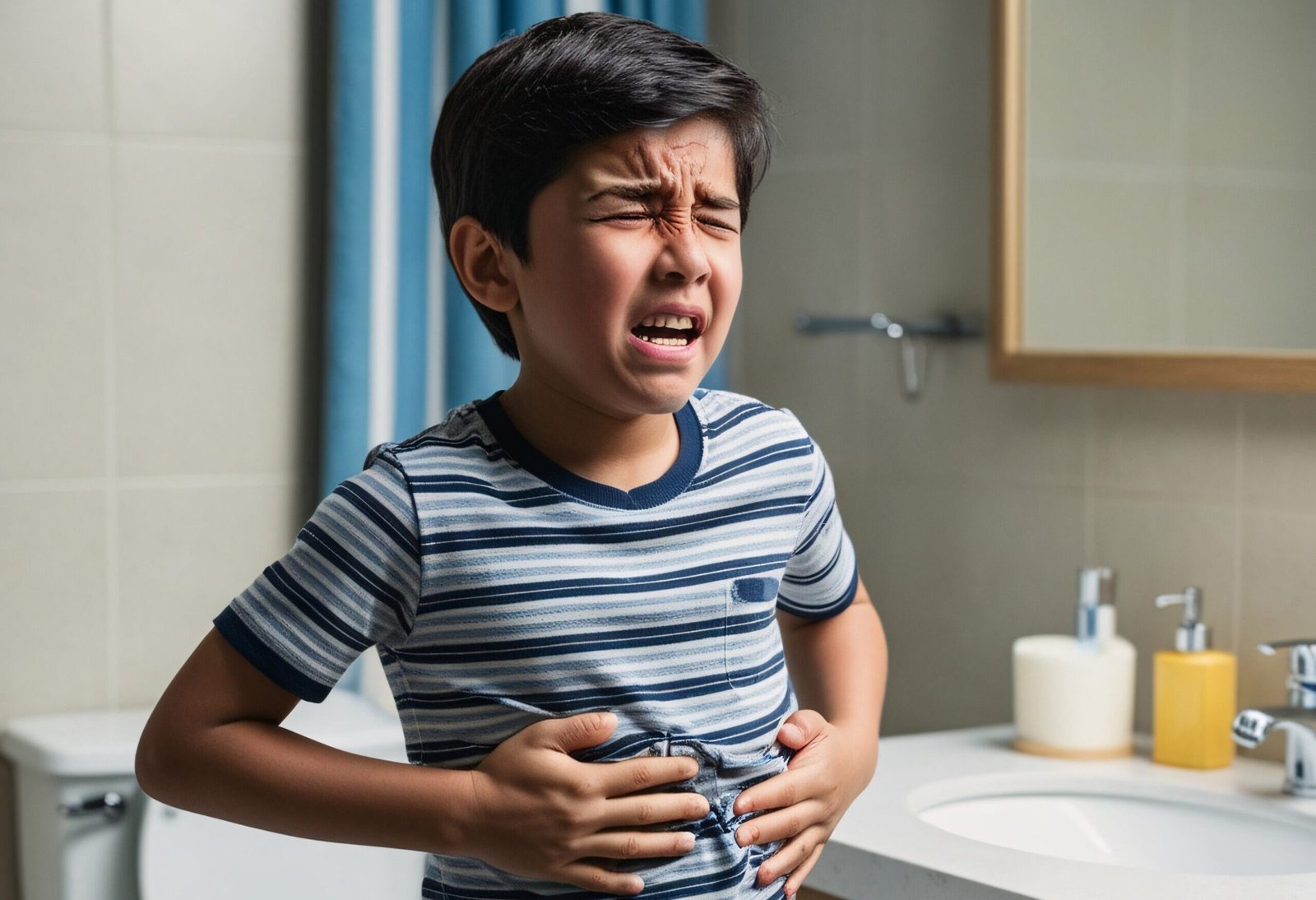
Nothing shocks parents more than finding blood in the stool of their kids. It is natural that the first thing coming to mind is, ” Is my child having some serious problem”, but do not panic. In most instances, bloody stools do not indicate anything serious and may mean just a few diseases, such as anal fissures caused by hard stool or food allergies.
However, there are other factors, such as the color of the blood and the volume of the blood, which matter greatly, and sometimes bloody stools require immediate medical help. In this article, you can find all the information you need about bloody stools in children, and you will be prepared for the challenges in advance.
Causes of Blood in Stool
- Anal fissures-this happens due to constipation. When a child is constipated, they try to push stool to pass, and this causes injury (a small tear) to their anus, resulting in bleeding in the stool. 90% of the children who are experiencing blood in the stool tend to have anal fissures.
- Colitis: when the large intestine or colon of a child becomes inflamed, this condition is called colitis. This allows bacteria to grow in the inflamed area, worsening the situation, and can cause blood in the stool. Several studies indicate the link between colitis and gene variation in ulcerative colitis. If a parent has inflammatory bowel disease (IBD), then there is a chance that you might pass to your children.
- Crohn’s disease: this is a condition in which a child develops ulcers in the small and large intestine. This erodes the inner lining of the digestive tract, which causes blood in the stool. If the condition is not treated on time, then it can wear away the muscle layers and damage the blood vessels. But the scary part is, in severe cases, the ulcer can completely damage the wall of the stomach or intestine, allowing digestive content leaks into the abdominal cavity.
- Allergies: Some children are allergic to some foods, which causes blood in the stool. Their immune system reacts to the food allergens, causing inflammation, irritation, and damage to the intestine. As a parent, you may have noticed that your child gets constipated after eating some specific food items. Some common food items are cow’s milk, soy, eggs, wheat, nuts, fish, and corn. Some children develop an allergy to mother’s milk, and this happens due to the protein found in mother’s milk.
- Hemorrhoids:Due to constipation, the veins around the anus get swollen, and this condition is called hemorrhoids. It can be easily resolved by adding fiber to your child’s diet.
- Diverticulitis:in some extreme cases (rare), due to weakness in the intestinal walls and congenital structural quirks.
Symptoms: As a parent, you should not ignore
Feeling constipated or passing very hard stool
- Not just constipation; some children do experience diarrhea along with mild fever
- Pain while passing stool
- Unexplained weight loss
- Loss of appetite
When to be concerned?
- When your child passes out or collapses while pooping. Also, they exhibit extreme weakness.
- Their skin is gray or pale, and they are sign of shock, like rapid breathing.
- They are also passing a large amount of blood in their stool, or they pass blood without passing stool.
- The colour of stool is very important, and if their stool is tarry, sticky, or black, then this indicates that they have some difficulty in the digestive tract.
- Having severe and constant abdominal pain, along with a swollen belly and vomiting.
- Having bloody diarrhea, along with high fever.
Note: sometimes, eating red foods like beetroot, tomatoes, watermelon, red frosting, red juices, or even due to medications like iron supplements can make their stool red. So, make sure to check what you are giving them, because it might be a false alarm.
Preventive Measures
Some preventive measures can be taken into consideration for the above mentioned issue, which involves constipation and formation of fissures:
- Make sure that you have a sufficient amount of fluid and fiber in your food
- Keep a normal pattern of bowel movements without any rush or strain
- Make sure that your constipation problem is resolved; consult your pediatrician
- If your baby suffers from any kind of milk allergy, then make sure that you follow your recommended diet plan
Treatment Options
- First and most important are changes in diet, because some foods can irritate or inflame their stomach, which can lead to the issue. So, make sure to focus on their diet so that they can eat and live healthy.
- Never miss the hydration part, because if they are dealing with diarrhea, then they are losing essential vitamins and minerals as well. So, focus on that so that hydration can help them to support healing.
- Antibiotics are recommended by pediatricians as they help to prevent the infection from spreading into the bloodstream (bacteremia).
- Probiotics are helpful to balance their gut, as they help to restore the natural balance of microorganisms in the digestive tract.
- If your child is showing signs of gastrointestinal symptoms, then use anti-inflammatory medication.
- In rare cases like intestinal malformations or severe inflammatory conditions, surgical intervention is recommended.
- For chronic conditions in children, long term management strategies are suggested, such as routine surveillance, medication adherence, hypoallergenic formulas, and many more.
Conclusion
Now you know what is concerning and what is not. Blood in stool can happen because their gut health is not as good as you thought. As parents, getting concerned is common, but getting suggestions from experts at Cradle Children Hospital is the right solution. Their expertise can help you know the reason, and through their guidance, you can protect your child from chronic issues.
Furthermore, if you have any questions concerning your child’s health, then this is the time to contact our pediatrician. Contact Cradle Children Hospital now!