



Key Takeaways:
- Nebulizers and inhalers are medical devices that are used to treat lung conditions like chronic obstructive pulmonary disease (COPD).
- Inhalers are most commonly used, as it is flexible to carry and use.
- Around 6% to 10% of people are dealing wth breathing difficulty, which indicates that parents need to understand the difference between the two.
So, if you are questioning what to choose for your child, nebulizer or inhaler, then your child might be dealing with lower respiratory conditions like asthma, chest tightness, or wheezing. Now the question is which one is better, so it totally depends on the condition your child is dealing with.
It can be intimidating to understand when and what to use, especially for parents whose child may have been diagnosed with breathing difficulty recently. So, this article is just for you. It will help you know the difference between a nebulizer and an inhaler for children, and which is better.
What is a Nebulizer?
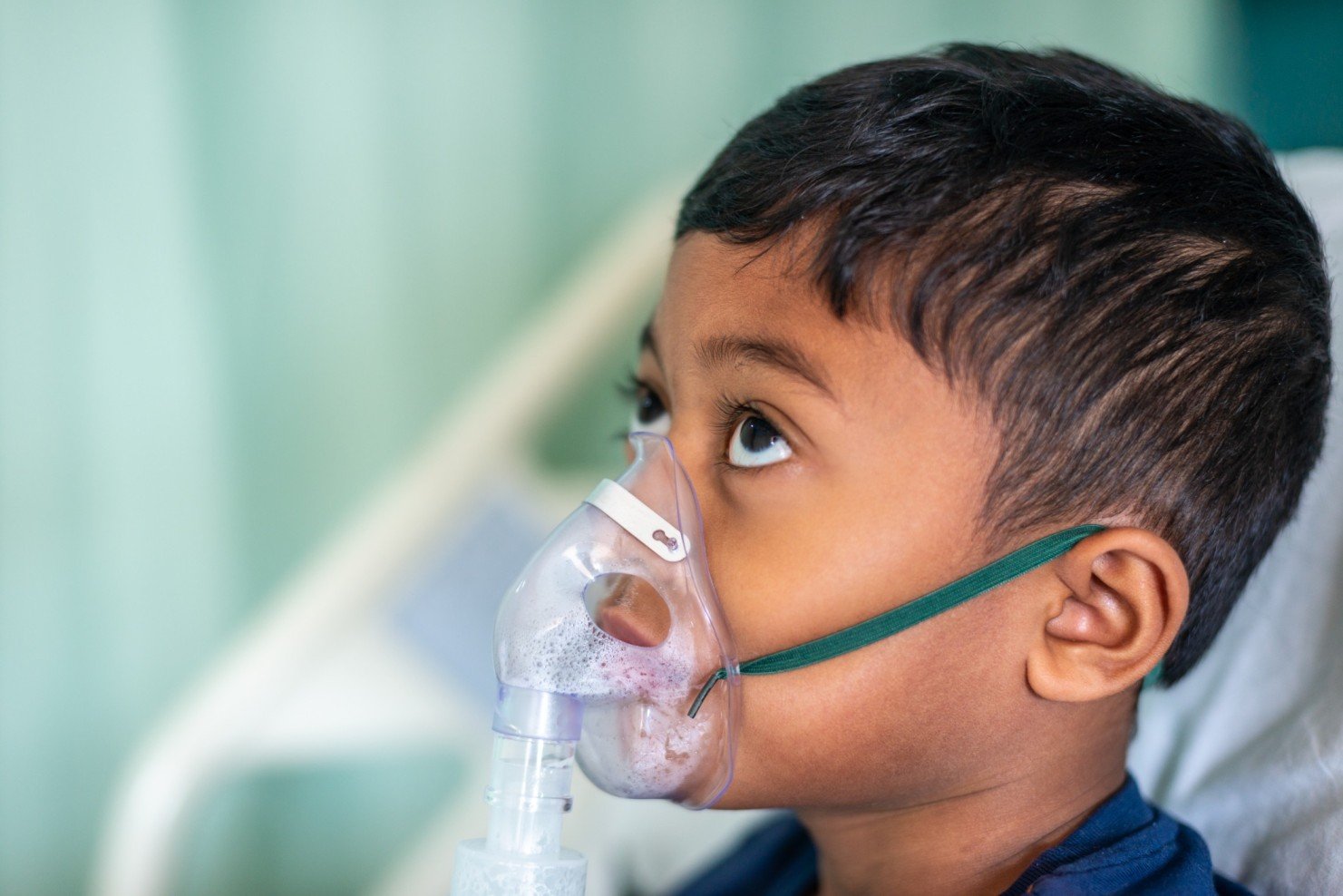
A nebulizer is a device that is used to change medicines into aerosols that are inhaled through a mask or mouthpiece in five to fifteen minutes. There is no pressing involved and no particular way of breathing; all your child needs to do is inhale through the mask normally.
This is the reason why a nebulizer is easier for administering medication to babies and toddlers who cannot coordinate the technique of pressing and breathing using the inhaler. A nebulizer is used commonly in cases of severe asthma attacks wherein the child is too breathless to use an inhaler.
Types of Nebulizer:
- Vibrating mesh nebulizer:Through a fine mesh, a liquid medicine is driven to generate small droplets that can penetrate deep into the lower airways. This is usually an expensive option that needs proper cleaning to prevent clogs.
- Jet nebulizer: Rather than using liquid medication through a mesh, this uses compressed air to vaporise the medicine. This is usually recommended for use at home, and it is affordable as well. They tend to be heavy and create noise.
- Ultrasonic nebulizer:In this, high-frequency sound waves are used along with vibration to turn the liquid medicine into an aerosol. This is a quicker and faster way to treat the issue.
Advantages of a Nebulizer:
- No coordination required, ideal for babies and young toddlers
- Effective in cases of severe attacks and when the child is too breathless to use the inhaler
- A lot of medication can be administered instantly
- It is also used to remove thick mucus from the airways in case of a cold
Limitation
- The device is big in size and hard to carry
- Some power source is needed (portable nebulizers have to be charged)
- Time-consuming as compared to the inhaler
- Cleaning should be done regularly to avoid infections
What is an Inhaler?
An inhaler (or “puffer”) is a device that delivers a dose of the drug in the form of mist. For children, a doctor always prescribes an inhaler together with the spacer because it enables to slow down the process of mist formation to give enough time for the child to inhale rather than swallow the mist. An inhaler with a mask in the spacer is used by young children, while the one with the mouthpiece is used by older children.
Types of Inhalers:
- Metered dose inhalers (MDIs):it uses chemical propellant has inside a metal canister inside, and this helps to spray a measured puff of medication. Albuterol is one example, which works as a short-acting rescue inhaler.
- Dry powder inhalers (DPIs): a dry powder is delivered instead of a liquid spray or gas. This gives a quick, deep, and forceful inward breath so that the powder can be pulled and travel to your airways. Accuhaler, Ellipta, Turbuhaler, and Breezhaler are examples of DPIs.
- Soft mist inhaler (SMI):it releases the medication without using a propellant gas. It is easily used with a slow and deep breath, and it moves slower than an MDI and gives more time to inhale the medicine into the lungs. An example of an SMI is Respimat.
Advantages:
- It is very portable and easy to carry in a child’s school bag and also in his pockets
- It will provide the drug in less than one minute; hence, there is an instant effect.
- It does not need power or any preparation at all.
- Useful if used with controllers as the child grows
Limitations:
- The problem lies in coordinating pressing the canister and inhaling the aerosol by young children
- Most of the drug won’t get to the lungs without the use of the spacer
- Inhalation is done incorrectly more often than not
Breakdown of when each is typically used for a child
Nebulizer:
- When a child can’t coordinate pressing an inhaler while breathing.
- Dealing with severe asthma, and the inhaler is not helping that much.
- When a child has thick mucus or chest congestion (during a cold, is become bad)
- When a doctors prescribed a higher dose of a combination of medicines.
- It is recommended for infants and children under 5 years, as they are unable to coordinate an inhaler.
- Children dealing with severe breathing distress, because the passive mist delivery is more reliable in such situations.
Inhaler (with Spacer):
- Children dealing with mild to moderate symptoms of breathing difficulty who need quick relief when in need.
- For daily or preventive medication to manage asthma long-term.
- Children who can handle an inhaler and know how to use it.
- Children with temporary conditions like wheezing or viral infection.
How to know which one is better?
| Characteristics | Nebulizers | Inhalers |
| Your child’s age | Infants, toddlers, and children between 5 and 6 years old are recommended. | Children between 0 and 3 years old are recommended to use a pressurized metered-dose inhaler. Moreover, children who can easily handle the inhaler are recommended to use it. |
| Portability | Not portable. | Most portable option. |
| Purpose | Used to deliver medicine directly to the lungs for quick relief and symptom control. | Used to turn liquid medicine into mist, so that tight muscles around air tubes can be relaxed, making breathing possible. |
| Severity | Highly recommended. | Can be effective as a nebulizer if a child knows how to use it properly in the condition. |
| Amount of administered medication | Provide the right amount of medicine that is needed. | For children, it can be difficult for them to use the exact medication needed. |
| Speed of use | It takes a few minutes to reach the lungs. | The medicine gets into the lungs within a second; that is why children with asthma are recommended to carry an inhaler wherever they go. |
| Common conditions treated | Asthma, chronic obstructive pulmonary disease, cystic fibrosis, bronchiectasis, bronchitis and pneumonia, and severe respiratory infections. | Asthma, wheezing, exercise-induced bronchoconstriction, and COPD |
Note: As you know, some conditions can be treated by both, but the treatment option is recommended based on the condition, portability, the child’s schedule, their age, and whether the specific treatment is suitable for them or not. So don’t decide by yourself, because only a doctor can suggest which one is better for your child.
Conclusion
Nebulizer vs Inhaler is quite confusing because both serve the same purpose, and they offer effectiveness as well. But the choice depends on the situation of a child. The inhaler is the most common and is suggested by the doctors at Cradle Children Hospital. They also teach how to use it, so that a child can get good results.
But as a parent, you should also learn how to use the treatment when time in need, and for that, along with your child, you also need guidance and understanding from an expert. That is why Cradle Children Hospital encourages parents to learn things so that they can help their child to become better.
Moreover, if you have any queries or concerns, then you can contact our doctors. We are available 24*7 to help you.